
Neurological Acupuncture in Calgary: Supporting Recovery, Movement, and Nervous System Function
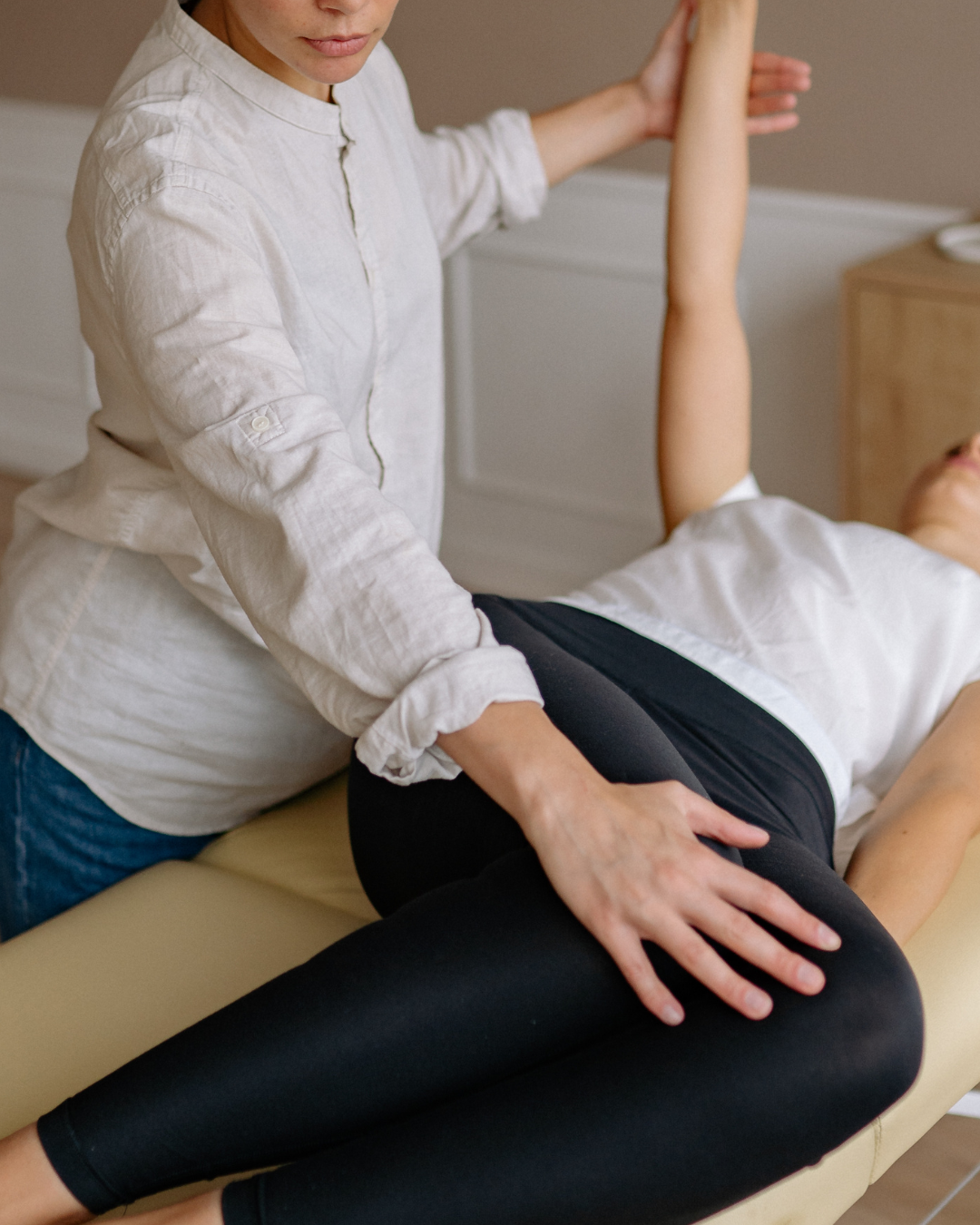
The nervous system plays a vital role in nearly every function of the body. From movement and balance to sensation, coordination, and communication between the brain and muscles, the nervous system helps us navigate daily life. When neurological conditions or injuries affect these pathways, even simple activities can become more challenging.
At Acupuncture Collective, we offer neurological acupuncture in Calgary as part of an integrative approach to supporting nervous system health, mobility, and overall function. Whether you are recovering from a neurological injury or managing a chronic neurological condition, acupuncture may help support your recovery and improve quality of life.
What Is Neurological Acupuncture?
Neurological acupuncture is a specialized approach that combines traditional acupuncture principles with a modern understanding of neuroanatomy, movement, fascia, muscles, and nerve pathways.
The goal of treatment is to support nervous system function while addressing symptoms that may affect movement, coordination, sensation, pain, and daily activities. Neurological acupuncture treatments are tailored to each individual's needs and may focus on:
Supporting neurological recovery
Improving mobility and movement patterns
Enhancing balance and coordination
Reducing muscle tension and spasticity
Managing pain and discomfort
Supporting nervous system regulation
Improving overall function and quality of life
As part of a comprehensive healthcare plan, acupuncture may complement the care provided by physicians, neurologists, physiotherapists, occupational therapists, and other healthcare professionals.
Conditions That May Benefit from Neurological Acupuncture
Neurological acupuncture may be beneficial for individuals living with a variety of neurological conditions, including:
Stroke Recovery
A stroke can affect movement, balance, coordination, speech, sensation, and muscle control. Acupuncture is often used as part of a rehabilitation plan to support recovery and help patients regain function.
Many patients seek acupuncture during both the early and later stages of stroke recovery to address concerns such as:
Weakness on one side of the body
Muscle tightness or spasticity
Balance difficulties
Coordination challenges
Pain following stroke
Multiple Sclerosis (MS)
Multiple sclerosis affects the central nervous system and can result in symptoms such as fatigue, muscle weakness, numbness, balance difficulties, and pain.
Many individuals with MS use acupuncture as a complementary therapy to help manage symptoms and support overall well-being.
Parkinson's Disease
Parkinson's disease can affect movement, balance, coordination, gait, and muscle control. Acupuncture may help support mobility and address symptoms that impact daily activities.
Peripheral Neuropathy
Peripheral neuropathy occurs when nerves outside the brain and spinal cord become damaged. Acupuncture is commonly sought by individuals looking for supportive care to help manage neuropathy-related symptoms. Symptoms may include:
Numbness
Tingling
Burning sensations
Pain
Weakness in the hands or feet
Bell's Palsy
Bell's palsy causes temporary weakness or paralysis of the facial muscles. Many patients seek acupuncture to support recovery and improve facial muscle function.
How Acupuncture May Support the Nervous System
Research continues to explore how acupuncture affects the nervous system. Current evidence suggests acupuncture may influence neurological function through several mechanisms, including:
Modulation of pain pathways
Stimulation of sensory and motor nerve pathways
Support for neuroplasticity, the brain's ability to adapt and reorganize
Regulation of the autonomic nervous system
Improved circulation to muscles and tissues
Reduction of muscle tension and protective guarding patterns
Every patient's experience is unique, and treatment plans are individualized based on symptoms, goals, and overall health status.
What to Expect During a Neurological Acupuncture Appointment
At our Calgary acupuncture clinics, your practitioner will begin with a detailed assessment of your health history, symptoms, movement patterns, and treatment goals. Your treatment may include:
Acupuncture
Electroacupuncture when appropriate
Movement-based assessment
Soft tissue and fascial considerations
Education and self-care recommendations
Treatments are designed to complement your existing healthcare team and support your long-term goals for recovery and function.
Neurological Acupuncture in Calgary
If you are looking for acupuncture in Calgary to support neurological recovery, mobility, balance, coordination, or nervous system function, our team is here to help.
At Acupuncture Collective, we provide individualized treatment plans that combine the wisdom of traditional acupuncture with modern evidence-informed approaches to care. Whether you are recovering from a stroke, living with Parkinson's disease, managing multiple sclerosis, experiencing peripheral neuropathy, or navigating another neurological condition, we are committed to helping you move and feel your best.
To learn more about neurological acupuncture in Calgary or to book an appointment, contact Acupuncture Collective today.